Understanding Metal Laser Cutting: The Modern Approach to Precision Manufacturing
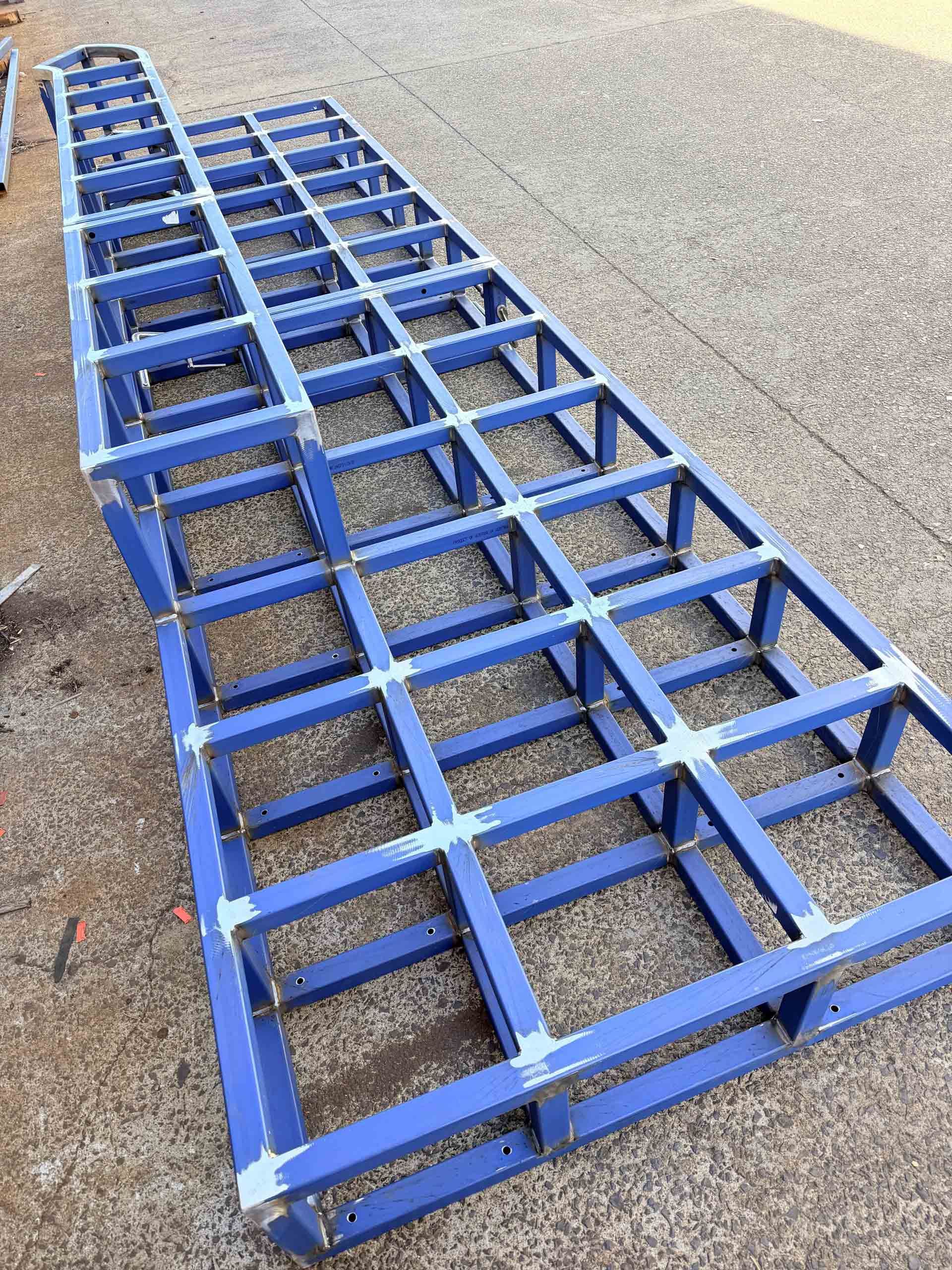
Metal laser cutting for Melbourne, VIC, has become a game-changer for Australian manufacturing sectors that demand accuracy, consistency, and efficient workflows. For commercial, industrial, and infrastructure projects, access to advanced laser cutting technology is transforming how project managers, fabricators, architects, and engineers approach complex metalwork.
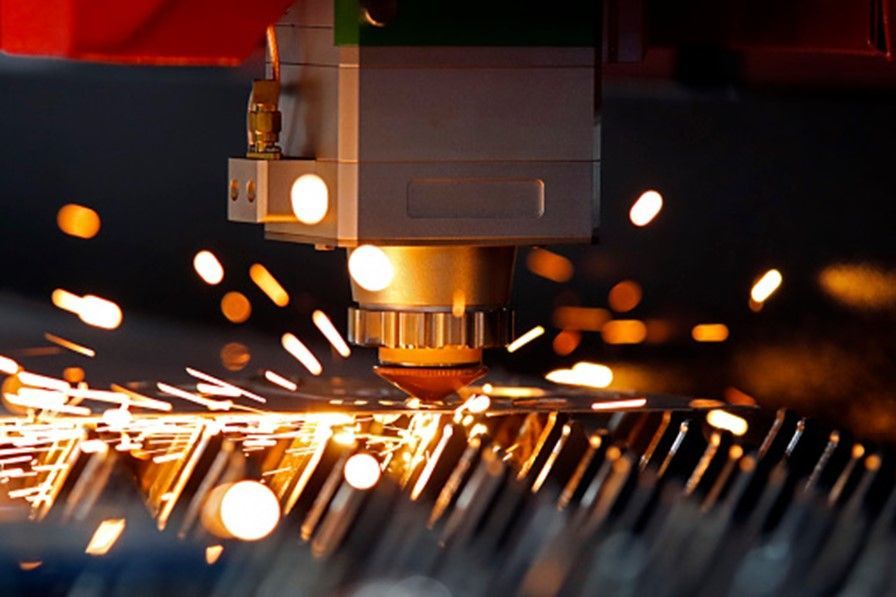
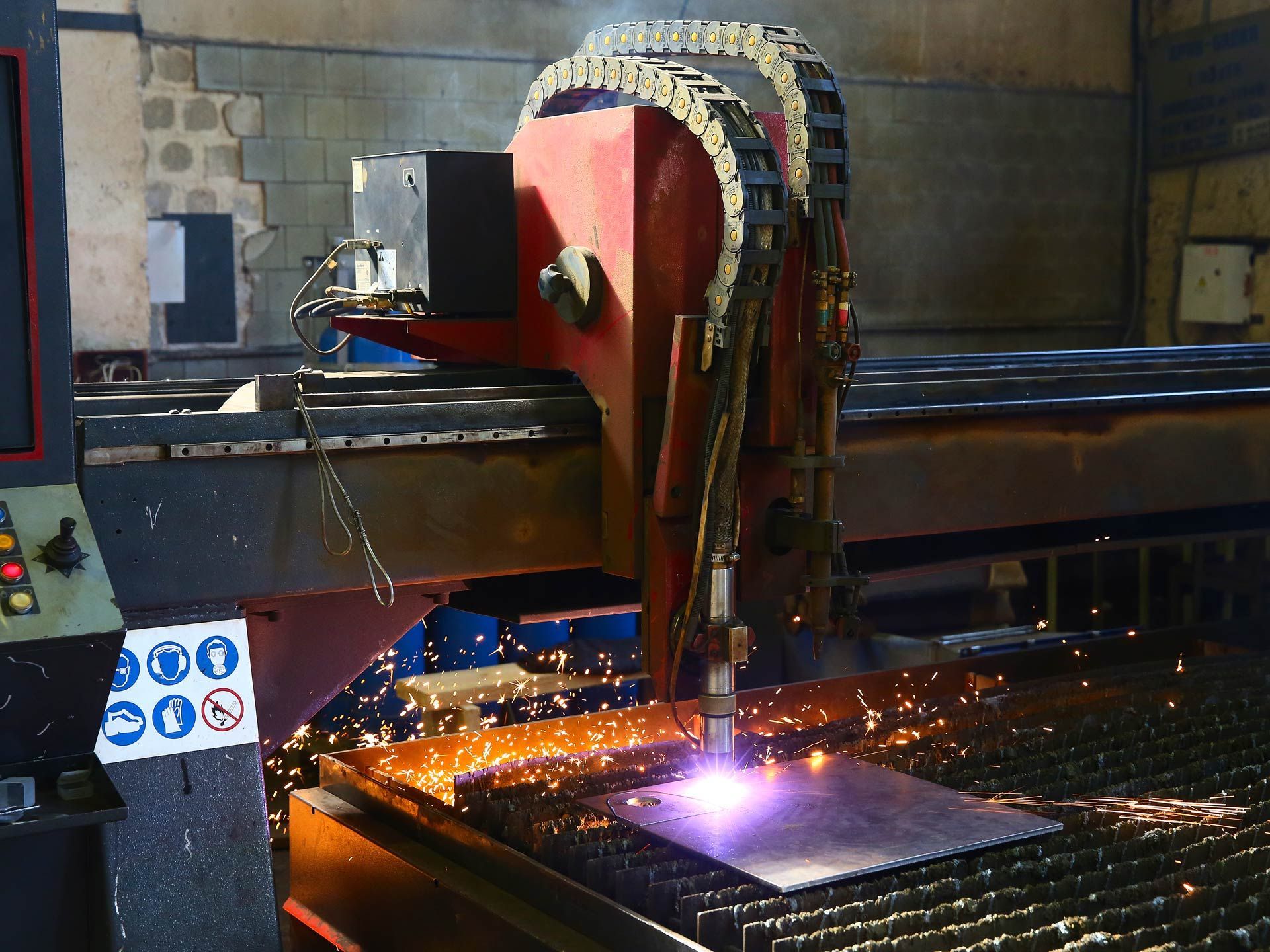
Laser metal cutting uses a concentrated, computer-controlled laser beam to cut, engrave, or perforate sheet metal. During the process, the laser melts, burns, or vaporises material with minimal contact, producing crisp edges and repeatable results. Because each element is guided by precise digital input, even intricate designs can be realised with minimal deviation.
How Laser Metal Cutting Delivers Unmatched Accuracy
Commercial projects often hinge on tolerances of millimetres. Unlike traditional methods, laser metal cutting offers a level of consistency that mechanical and thermal options can struggle to match. The laser follows a programmed path and interacts with material on a micro scale, which means less warping, reduced risk of distortion, and the ability to manage complex geometries with ease.
For technically minded decision-makers, this translates to fewer errors, less secondary processing, and stronger adherence to design intent. When your project demands accuracy, whether for façade panels, structural components, or detailed brackets, laser cutting provides a distinct advantage. Reduced operator intervention and closed-loop feedback systems help maintain standards every step of the way, ensuring your output meets even the strictest specifications.
Comparing Cutting Methods: Why Laser Cutting Stands Out
Selecting the right manufacturing process comes down to more than just cost. Here is how
metal laser cutting compares with other common approaches:
Plasma Cutting
- How It Works: Plasma cutting relies on an ionised gas stream to melt through metal.
- Precision: Good for thick materials, but the wider kerf (cut width) can limit detailed accuracy.
- Edge Quality: Often requires additional finishing due to dross (residue) along cut edges.
- Applications: Best suited to basic fabrication where ultra-fine detail is not required.
Waterjet Cutting
- How It Works: A high-pressure stream of water (often with abrasives) slices through material.
- Precision: Capable of tight tolerances, but may struggle with some metals and fine features.
- Edge Quality: No heat-affected zone, but risk of taper and slower processing for intricate tasks.
- Applications: Useful for composites and heat-sensitive materials, less efficient for large-volume steel production compared to laser cutting.
Mechanical Cutting (Shearing, Sawing, Punching)
- How It Works: Physically removes material using tools or blades.
- Precision: Tool wear and deflection can gradually degrade accuracy.
- Edge Quality: Can create burrs or deformation and often requires additional finishing.
- Applications: Efficient for simple layouts, but limited for intricate parts and repeatability.
Metal Laser Cutting
- How It Works: Utilises a focused laser beam and CNC control for non-contact machining.
- Precision: Consistent, tight tolerances (often within tenths of a millimetre).
- Edge Quality: Clean, smooth edges with minimal post-processing.
- Applications: Ideal for prototypes, custom fabrications, and high-volume runs where consistency is critical.
The Key Benefits of Laser Metal Cutting for Modern Manufacturing
For those responsible for specifying methods and signing off on quality, the advantages of laser cutting are clear and measurable.
1. Reduced Material Waste: Laser cutting’s precision allows for efficient nesting of parts. This maximises each sheet and reduces offcuts. As a result, projects gain cost benefits, and less scrap supports sustainability goals, a critical concern for many stakeholders in the building and manufacturing industries.
2. Tight Tolerances and Consistency: Automated laser control means each part in a run matches the last. This is crucial for modular assembly, repeat fabrication, and compliance with quality management standards. Project engineers and procurement leads can be confident parts will fit as intended, minimising costly on-site modification.
3. Fast Turnaround Times: With rapid machine setup and execution, metal laser cutting delivers speed without compromising quality. Digital drawings can move directly to production, reducing lead times and letting teams respond quickly to changing needs. This agility is key in fast-moving infrastructure or commercial projects near Melbourne, VIC, where deadlines are non-negotiable.
4. Flexibility for Complex Jobs: Laser systems excel with intricate profiles, cut-outs, and fine detail. Architects and fabricators can request custom designs without being limited by the constraints of physical tooling or slower methods. Updates or design tweaks are easily implemented by simply adjusting the digital file.
5. Cleaner, Safer Workflows: Non-contact processing means there's less mechanical wear, lower risk of accidents, and reduced contamination compared to manual or abrasive methods. The result is a safer environment for operators and a cleaner product for clients.
Step-by-Step: What to Expect From the Metal Laser Cutting Process
For technically minded professionals, understanding the workflow is vital to project planning. While each provider’s specifics will depend on capabilities, the core process typically includes:
- Initial Consultation: Discuss requirements, specifications, and outcomes.
- Digital Design: Supply or finalise CAD drawings, confirming critical dimensions and material type.
- Quoting: Receive a clear, detailed quote outlining timeframes, costs, and deliverables.
- Preparation: Materials are sourced and prepped according to your brief.
- Laser Cutting: Components are programmed, cut, and quality controlled in line with industry standards.
- Post-Processing: Deburring, surface treatments, or assembly steps as required.
- Quality Assurance: Each part undergoes inspection for alignment with your requirements.
- Delivery: Finished products are packaged and dispatched to your nominated destination or site.
This streamlined approach reduces points of failure and ensures total traceability from concept to completion.
How to Evaluate a Laser Metal Cutting Partner for Melbourne, VIC
Selecting the right manufacturing partner is as important as the method itself. Here are key considerations for construction managers, fabricators, and engineers in the market for expert laser cutting services:
- Certifications and Compliance: Look for ISO-accredited processes and documented quality checks.
- Facilities and Capabilities: Modern equipment, robust software integration, and multi-material handling are musts.
- Communication: Clear updates on timelines and readiness support better project forecasting.
- Experience: Teams with a track record across diverse industries are more likely to deliver reliably, especially on complex projects.
- Customer-First Approach: Providers who work with you from design to delivery help avoid missteps and keep the process efficient and transparent.
Take Your Project Further With Advanced Metal Laser Cutting
Precision manufacturing relies on methods you can trust, and laser metal cutting continues to set industry benchmarks for quality, adaptability, and turnaround speed. If your next commercial, industrial, or infrastructure project demands accuracy without compromise, Hunt Engineering is ready to deliver. Reach out today on
03 9551 3077 to discuss how leading metal laser cutting solutions can help you achieve project success.