Steel vs Aluminium vs Stainless: Choosing the Right Material for Metal Laser Cutting in Melbourne
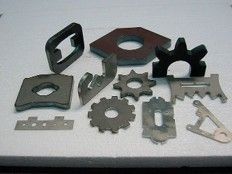
Choosing the right material for laser cutting metal is one of the most important decisions in any fabrication project. This guide breaks down how mild steel, aluminium, stainless steel, brass, and copper compare for work.
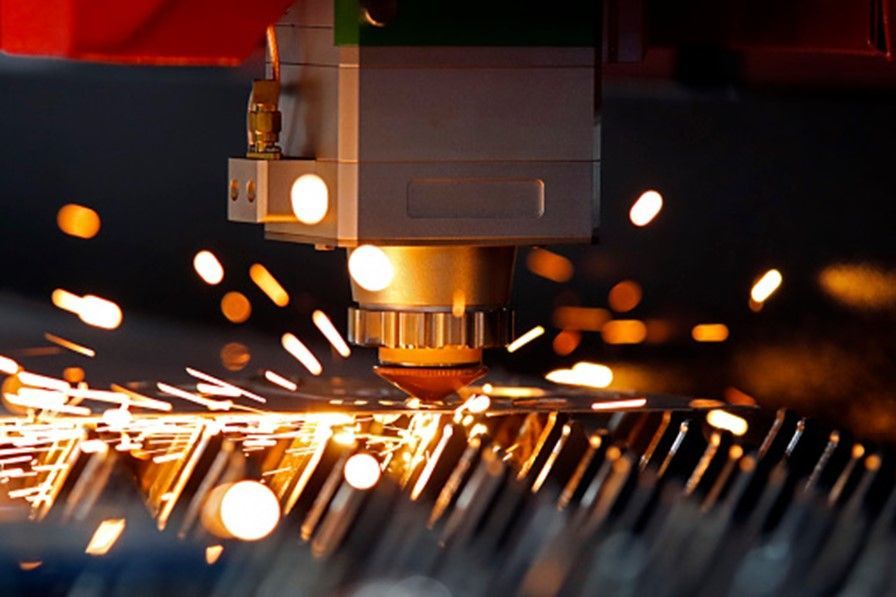
Whether you are building structural components for a commercial fit-out, manufacturing parts for automotive applications, or producing architectural panels for a residential development, your material choice shapes cut quality, lead times, and overall value. Metal laser cutting in Melbourne serves a wide range of industries, and matching the right metal to the job makes a real difference to outcomes. Understanding material behaviour is essential to getting the most from your precision metal cutting project.
How Do the Most Common Laser-Cut Metals Compare?
Each metal behaves differently under a laser. Understanding those differences helps you make a better decision before your file goes to the cutting table.
Mild Steel
Mild steel is the workhorse of laser cutting. It is affordable, widely stocked, and cuts cleanly across a broad range of thicknesses. For structural brackets, machinery guards, equipment frames, and general fabrication, it is often the first choice. Metal laser cutting of mild steel produces clean edges with minimal dross, and the material is easy to weld, bend, and coat after cutting.
The trade-off is that mild steel rusts without a protective finish. Projects for outdoor or wet environments will generally need powder coating, galvanising, or another surface treatment.
Thickness range: Fibre laser systems can typically handle mild steel from around 0.5 mm up to 20 mm or more.
Best for: Structural components, machinery parts, and general fabrication where the part will be coated or painted.
Aluminium
Aluminium is lightweight, naturally corrosion-resistant, and well-suited to applications where weight is a factor. It is popular in automotive, aerospace, signage, and architectural work. Because aluminium dissipates heat quickly and is reflective, it requires carefully tuned laser settings. Fibre lasers handle aluminium very well compared to older CO2 technology.
Thicker aluminium can produce occasional burring at the cut edge, which may need secondary finishing for cosmetic applications. For thinner gauges, cut quality is typically very good.
Thickness range: Laser cutting of aluminium is generally practical from around 0.5 mm up to 10 mm.
Best for: Lightweight structural parts, architectural panels, signage, transport components, and decorative elements.
Stainless Steel
Stainless steel offers excellent corrosion resistance and a clean, professional aesthetic for metal laser cutting. It is widely used in food processing equipment, medical components, commercial kitchen fabrication, and exterior architectural work. High-pressure nitrogen cutting is often used to produce bright, oxide-free edges that require no further finishing, making it ideal when appearance matters as much as function.
Stainless steel costs more than mild steel per kilogram and can take longer to cut at greater thicknesses. For applications where hygiene, longevity, or visual quality is a priority, the additional cost is usually justified.
Thickness range: Laser systems can typically handle stainless steel from under 1 mm up to 16 mm.
Best for: Food-grade equipment, medical parts, commercial architecture, and marine environments.
Brass and Copper
Brass and copper have specific roles where their properties make them the right choice. Copper is valued for electrical conductivity and is used in switchgear and specialised industrial parts. Brass suits decorative applications, plumbing fittings, and architectural detailing where a warm metallic finish is desired.
Both materials are highly reflective and require fibre laser technology and specific cutting gases to achieve good results.
Thickness ranges are more limited than for steel.
Best for: Electrical components, decorative panels, plumbing fittings, and specialised architectural work.
Which Material Should You Choose for Your Metal Laser Cutting Project?
The right material depends on your application, environment, and budget. Here is how the most common options compare.
Mild steel offers high strength but low corrosion resistance, so it needs a protective coating; it can be cut up to 20 mm and suits structural and general fabrication work. Aluminium provides medium strength with high corrosion resistance, handles thicknesses up to 10 mm, and is ideal for lightweight, architectural, and transport applications.
Stainless steel combines high strength with very high corrosion resistance, cuts up to 16 mm, and is well suited to food, medical, marine, and architectural projects. Brass and copper both offer medium strength and medium corrosion resistance, with a typical maximum thickness of 6 mm; brass suits decorative, electrical, and plumbing uses, while copper is best for electrical, industrial, and specialised parts.
What Is the Best Material for Laser Cutting?
The best material depends on project requirements. Mild steel suits most structural and general fabrication work. Aluminium works well where light weight matters. Stainless steel is preferred when corrosion resistance and finish quality are priorities. Brass and copper suit specialised decorative or electrical applications.
Does Material Choice Affect Lead Times and Cost?
Yes. Mild steel is generally the most economical and fastest to process. Aluminium and stainless steel may require more precise settings and cutting gases, affecting processing time. Speciality materials like brass and copper may need to be ordered in, adding to lead times. Requesting a quote early with your material and thickness details helps your fabricator plan efficiently. Specifying your chosen material upfront also helps when comparing metal laser cutting services across Melbourne providers.
Work With a Laser Cutting Service Serving Melbourne
Getting your material selection right before cutting begins can save significant time and cost. Consulting with an experienced fabricator who understands how different materials behave under a laser is one of the most practical steps you can take.
Hunt Engineering offers metal laser cutting across mild steel, stainless steel, aluminium, brass, and copper through its Hunt Lasercut division. The team can help you assess which material suits your project and provide a detailed quote based on your specifications. View the full cutting capabilities to understand available thicknesses and material options, or get in touch to discuss your next project.
To learn more or request a quote, visit Hunt Engineering or call (03) 9551 3077.